
What Is MMS? A Beginner’s Guide to Miracle Mineral Solution
MMS stands for Miracle Mineral Solution. It is a liquid mixture people prepare from sodium chlorite and an acid activator. The result is chlorine dioxide in water, which some keep on hand for specific household or personal uses.
What Goes Into MMS
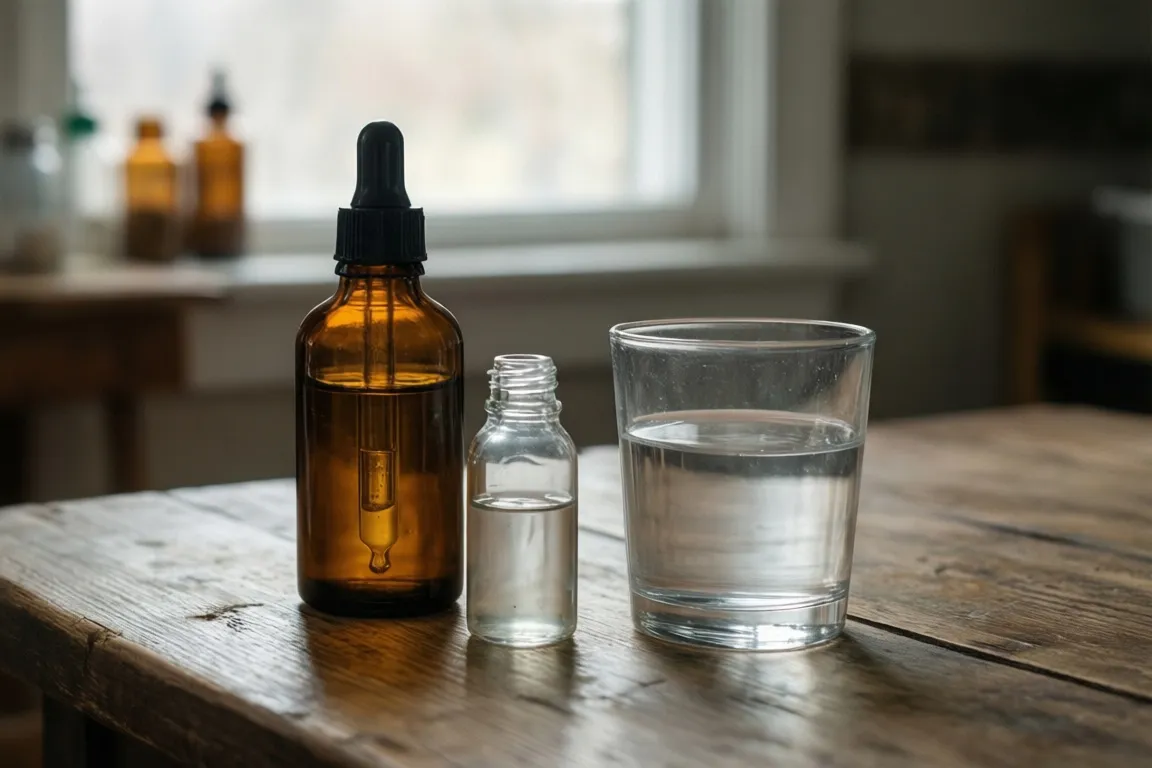
You start with two basic components. Sodium chlorite solution at 22.4 percent sits in one small bottle. The activator is usually citric acid or sometimes hydrochloric acid in a second bottle.
These stay separate until you combine them. The reaction happens quickly once they meet.
- Sodium chlorite provides the base compound
- Activator releases the chlorine dioxide
- Distilled water dilutes the final mix to a usable strength
How People Mix a Batch
Most beginners work in small amounts first. You need drops, not cups.
- Place 1 drop of sodium chlorite into a clean glass.
- Add 1 drop of activator right next to it.
- Wait 30 seconds while the solution turns amber.
- Pour in 4 ounces of water and stir.
- Drink within the next few minutes if that is your plan.
Some keep the unmixed bottles in a cool cabinet and only combine what they need that day.
Real Situations Where It Shows Up
A traveler might pack the two bottles to treat questionable water on a remote trip. A gardener could use a very weak version to clean tools after working with moldy soil. Someone managing a chronic rash might test a topical dilution after reading forum reports.
Each case starts from a concrete need rather than general wellness talk.
Simple Checklist Before You Try It
| Step | Check |
|---|---|
| Confirm bottle labels read 22.4 percent sodium chlorite | ☐ |
| Have distilled water ready | ☐ |
| Work on a non-porous surface | ☐ |
| Start with the lowest drop count | ☐ |
| Note the time and amount used | ☐ |
Questions That Come Up Early
How long does a mixed dose stay good? About an hour before the strength drops. Can you store the finished liquid? Most people mix fresh each time instead.
What if the activator is citric acid versus hydrochloric acid? Both work, yet hydrochloric often needs less waiting time. Taste and stomach response vary from person to person, so track how your own body reacts on the first two or three trials.