
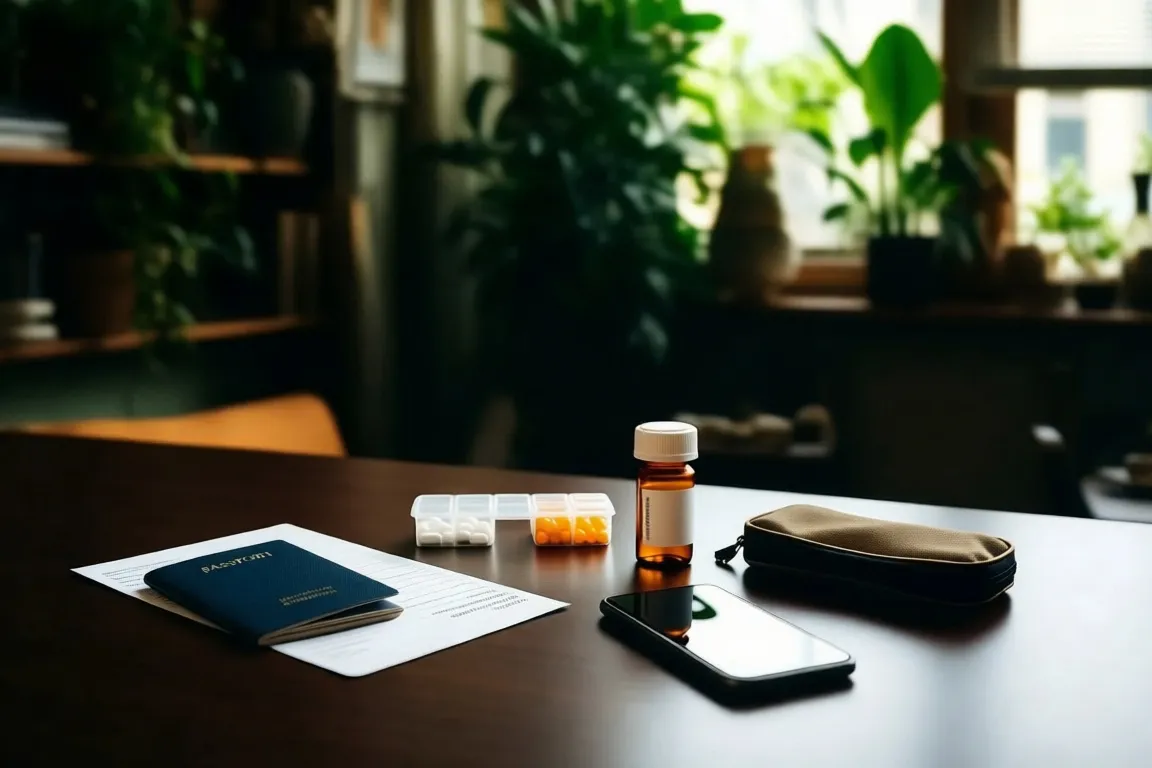
Traveling with MMS and CDS: Legal Considerations and Practical Tips
Start by checking the exact status of MMS and CDS in every country on your route. Rules differ sharply, and what is tolerated at home can trigger seizure or fines abroad.
Check the laws before you book
Look up the import rules for each destination yourself. MMS and CDS are treated as unapproved substances in many places, even when sold as water treatment products.
- EU countries often ban personal import of chlorine dioxide solutions above certain concentrations.
- Some Caribbean nations allow small amounts for pool use but require clear labeling.
- Australia and New Zealand list them as prescription-only or prohibited for human use.
If a country requires a permit, apply at least six weeks ahead. Keep the approval email or letter in both printed and phone copies.
Pack and label correctly
Use the original sealed bottles when possible. Decanted liquids in unmarked containers raise questions fast at security.
| Item | How to pack | Example |
|---|---|---|
| MMS (sodium chlorite) | Original bottle inside a zip bag, under 100 ml if flying | One 30 ml bottle for a two-week trip |
| CDS (chlorine dioxide solution) | Refrigerated until departure, then in insulated pouch | 50 ml prepared dose split into two small vials |
- Write the chemical name and concentration on a small card taped to each bottle.
- Carry a short note stating intended use, such as “water purification for camping.”
- Place everything in your checked bag if the total liquid exceeds carry-on limits.
Handle security and customs questions
Answer directly and briefly when asked. Officers hear long explanations every day and often just want to confirm the item is not a threat.
One traveler flying from the US to Costa Rica carried two 60 ml bottles of CDS in checked luggage. He showed the printed water-treatment note at the agricultural desk and cleared without issue. Another traveler on the same route lost both bottles after placing them in a carry-on and giving a vague health-use story.
Keep your total quantity small. Two 30 ml bottles have passed inspection more often than larger volumes in real checkpoints.